
How a festival that showcases India’s cultural influence across Asia became embroiled in a controversy in Tamil Nadu.
There is something fascinating about the full moon of Kartika.
Across India and several Southeast Asian countries, this is a time thousands of little lamps illuminate homes and temples, rivers come alive with floating diyas, and decorated boats take to the water.
The names and traditions may differ, but the imagery is remarkably familiar. These celebrations are also reminders of centuries of maritime connections, when merchants, travellers, monks, artists and ideas moved freely across the Bay of Bengal, connecting India with Southeast Asia.
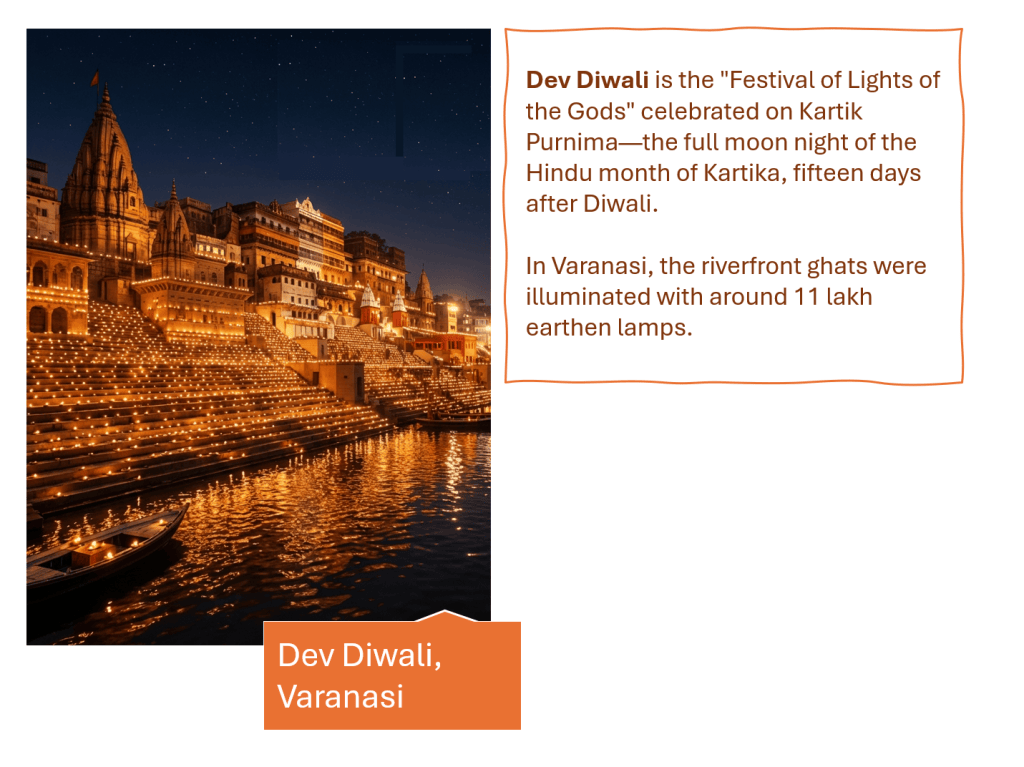
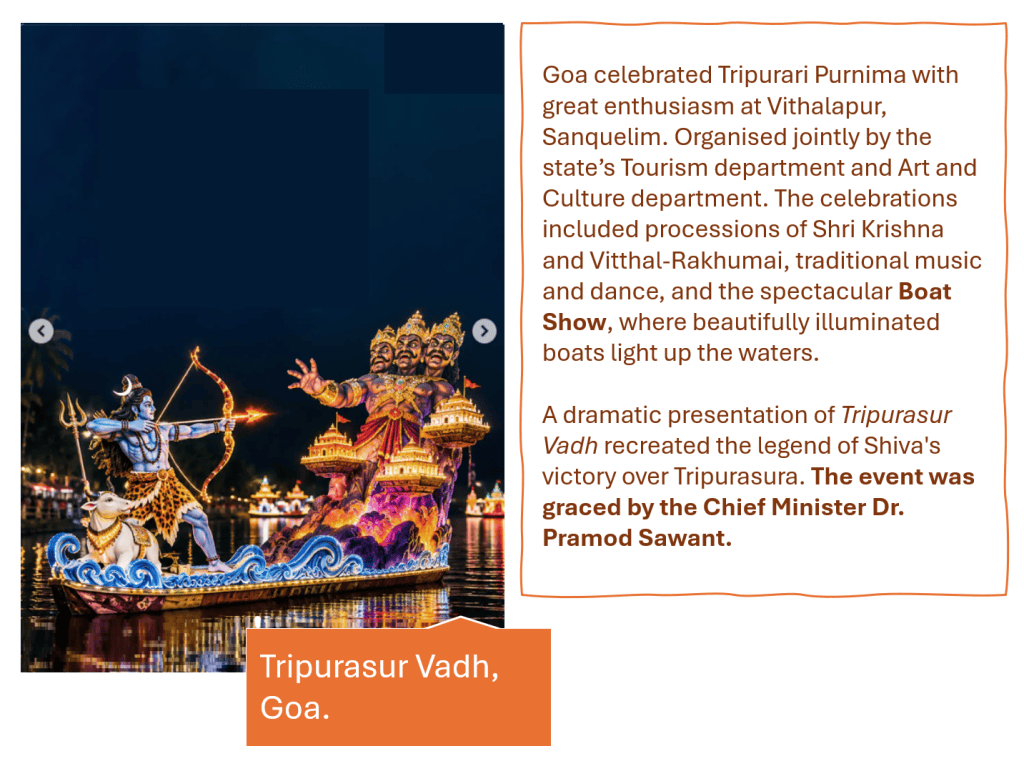
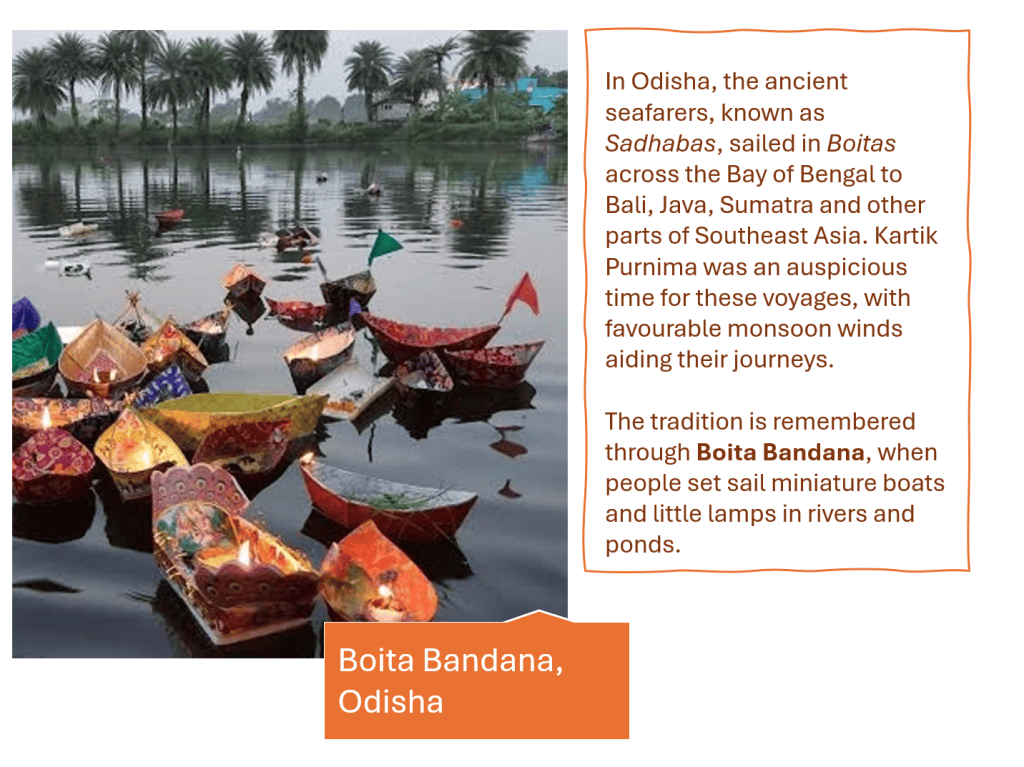
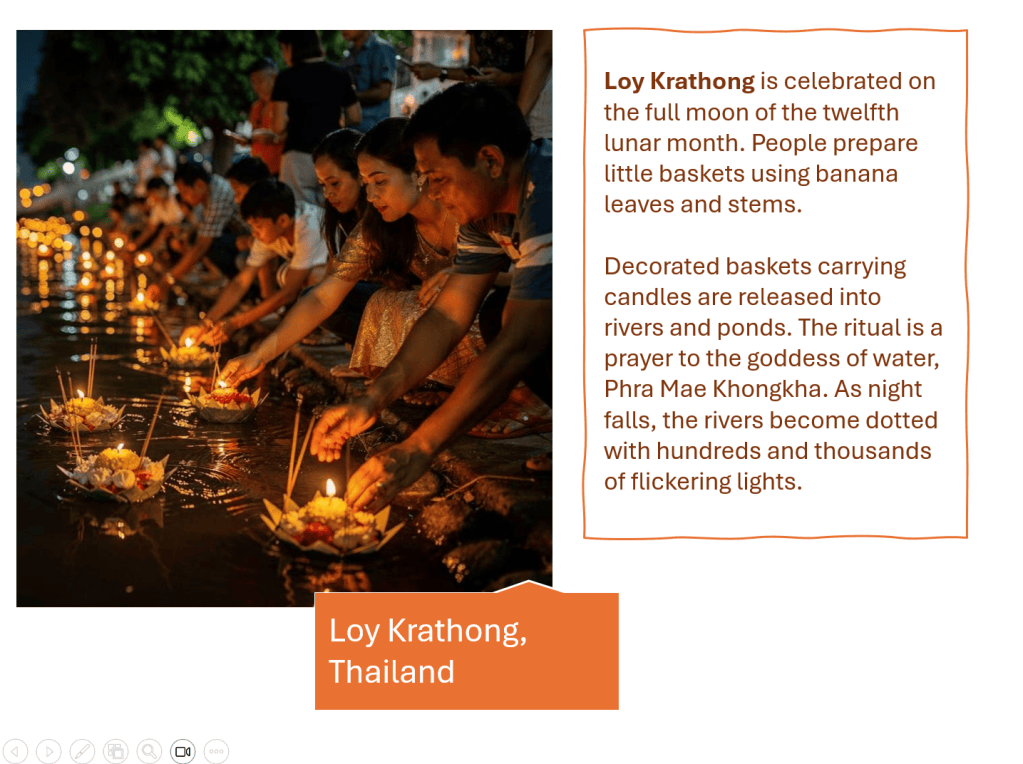
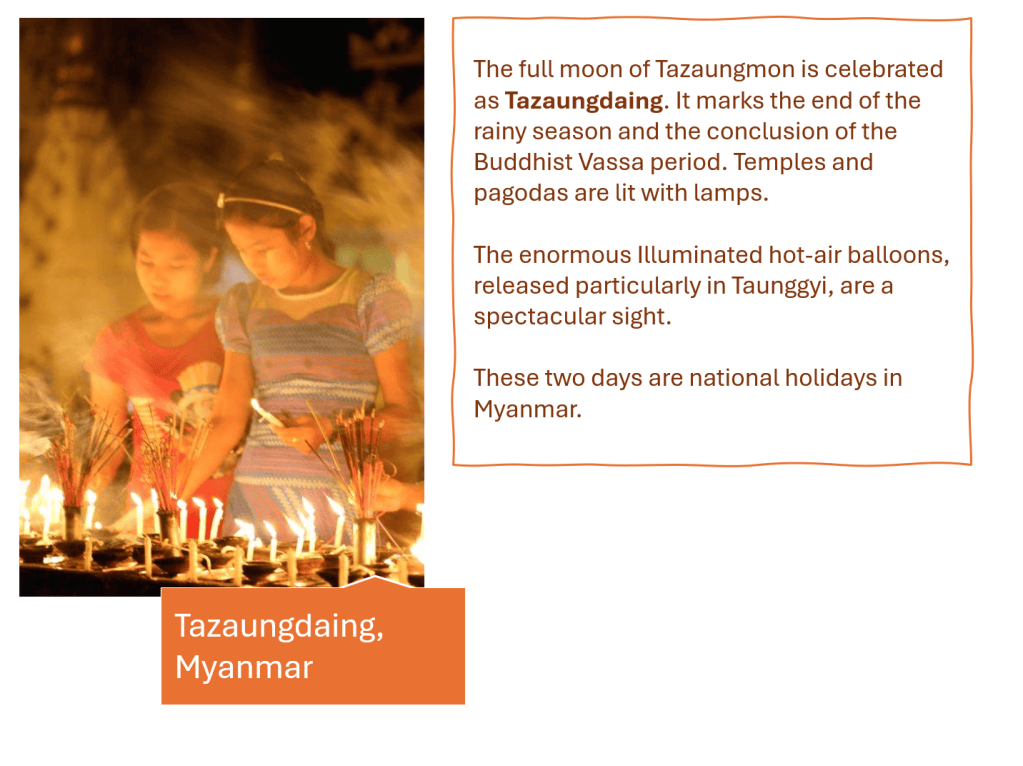
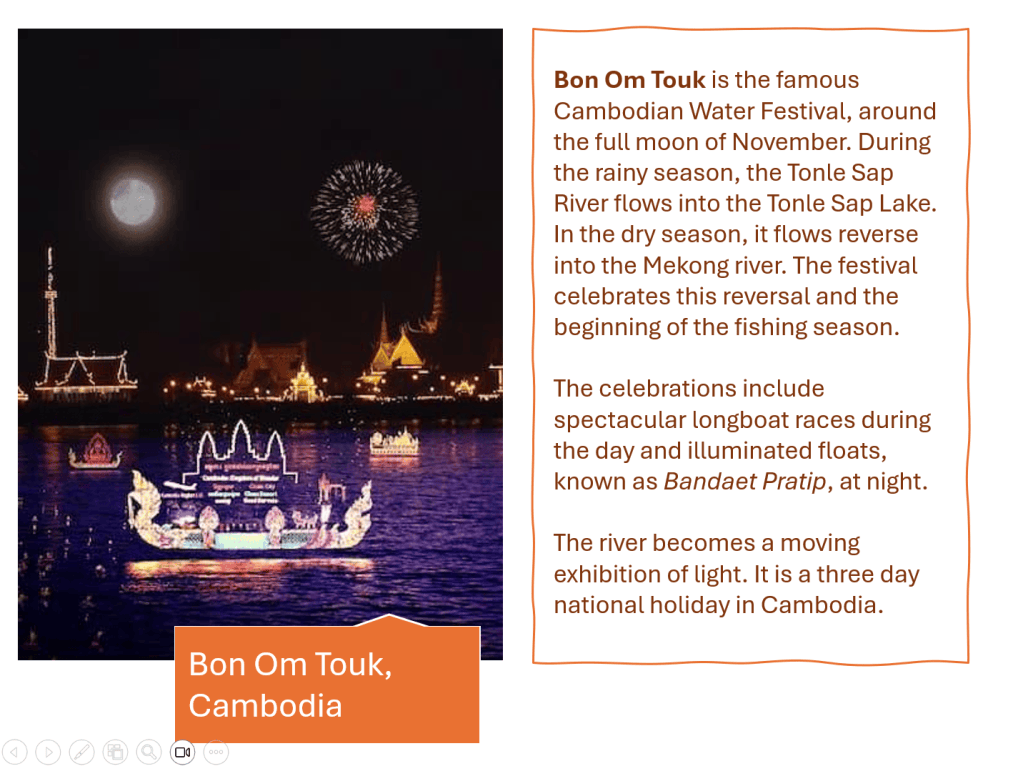
Kartik Purnima is not confined to religious institutions. It is an occasion for entire communities to come together, for cities to organise large public events, for traditional crafts to be showcased, and for cultural tourism to flourish. It creates economic opportunities for local artisans, boat builders, performers, traders and tourism operators.
Odisha: Turning Heritage into Cultural Diplomacy
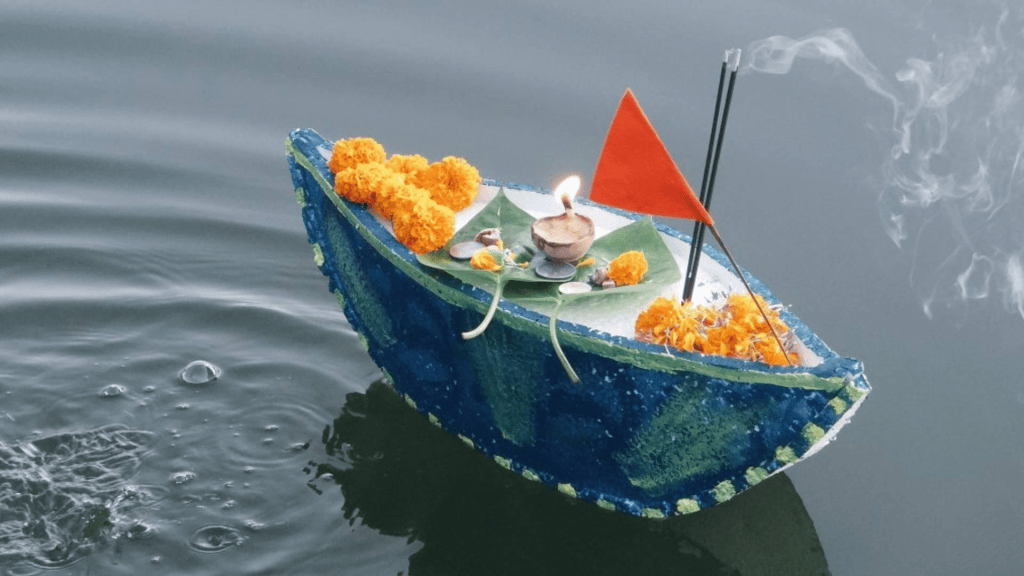
Odisha did something particularly interesting this year. Instead of limiting Bali Jatra and Boita Bandana to a domestic celebration, it took the story of Kalinga’s maritime connections directly to Bali through Odisha Parab.
In a significant cultural diplomacy initiative, the Govt of Odisha organised Odisha Parab in Bali, Indonesia, on 24 and 25 November 2026. Deputy Chief Minister Pravati Parida led the event.
It showcased Odisha’s traditional dance and music, handicrafts, handlooms, cuisine and tourism destinations. It also provided opportunities for cultural exchange, tourism promotion, business interactions and investment. Odisha Govt used a traditional religious festival as an opportunity to build contemporary relationships.
This is a wonderful example of how cultural heritage can become an instrument of international engagement.
Tamil Nadu: Heritage turned into a political battleground
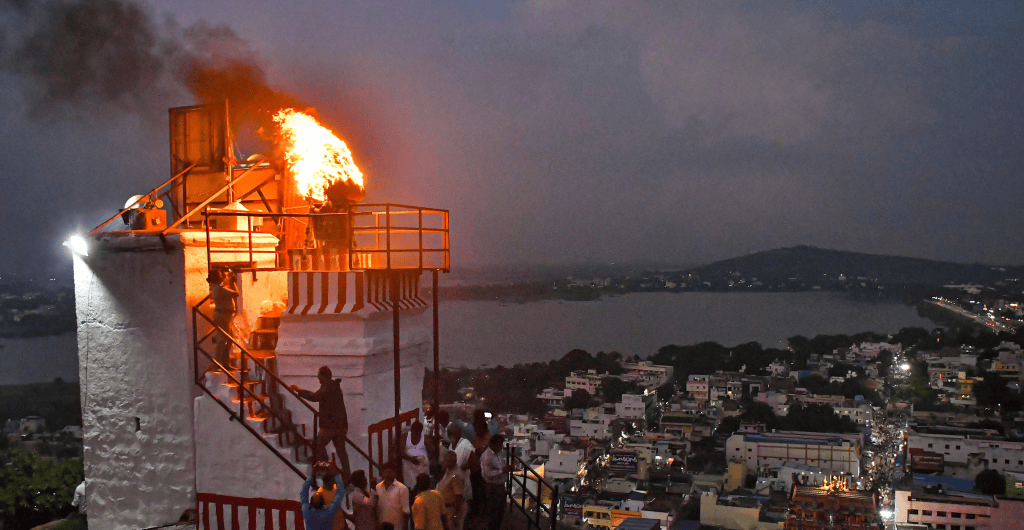
In Tamil Nadu, a political drama played out around lighting Karthigai Deepam at Deepathoon (pillar) on the Thirupparankundram hill. It is surprising how the Tamil Nadu Goverment has gone to the extreme lengths to oppose a cultural tradition –
- In 2025, Justice G.R. Swaminathan permitted the lighting of the lamp at the Deepathoon.
- The Madras High Court Division Bench upheld the relevant order.
- In Dec 2025, 107 DMK and opposition MPs sought to impeach the judge.
- Joseph’s Govt approached Supreme Court against High Court’s order.
- The Supreme Court, permitted the lamp to be lit at the Deepathoon.
- Tamil Nadu’s HR&CE department filed a review petition against the Supreme Court’s order.
- And on November 24, Joseph’s Govt did not allow the lamp to be lit at the Deepathoon site.
This is deeply disturbing.
The contrast is striking. While Odisha is taking its maritime heritage to Bali and using it to build contemporary cultural and economic connections, Tamil Nadu finds itself embroiled in a controversy over the lighting of a traditional religious lamp.
A government need not subscribe to every religious belief, but it has a responsibility to respect the cultural and religious rights of its people. Whether driven by political compulsions, appeasement or hostility towards Hindu traditions, such conduct is unacceptable.
The issue goes beyond a lamp. It concerns cultural continuity, public trust in institutions and the responsibility of governments to preserve their heritage.
The little lamps floating on rivers across Asia tell a story much larger than a festival. They remind us of a shared maritime past, centuries of cultural exchange and India’s civilizational connections with its neighbours.
Odisha has recognised the value of this heritage and taken it to Bali.
Perhaps it is time we recognised that our festivals are not merely occasions to be observed. They are cultural assets to be preserved, celebrated and shared with the world.
That is India’s soft power.


Leave a Reply