
What do Sugriva’s Atlas, Vadavanala, the Pacific Ring of Fire, and undersea volcanoes, and Pralaya have in common?
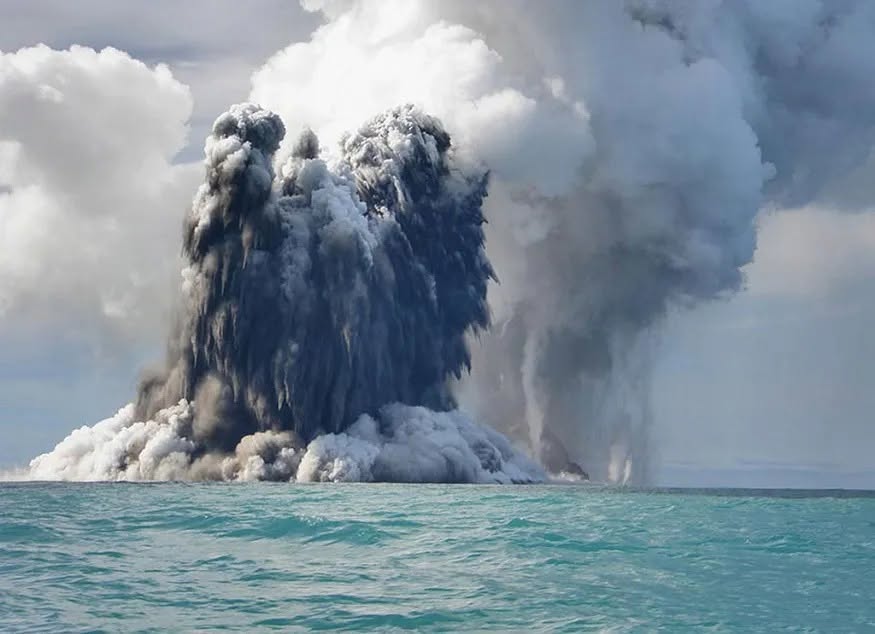
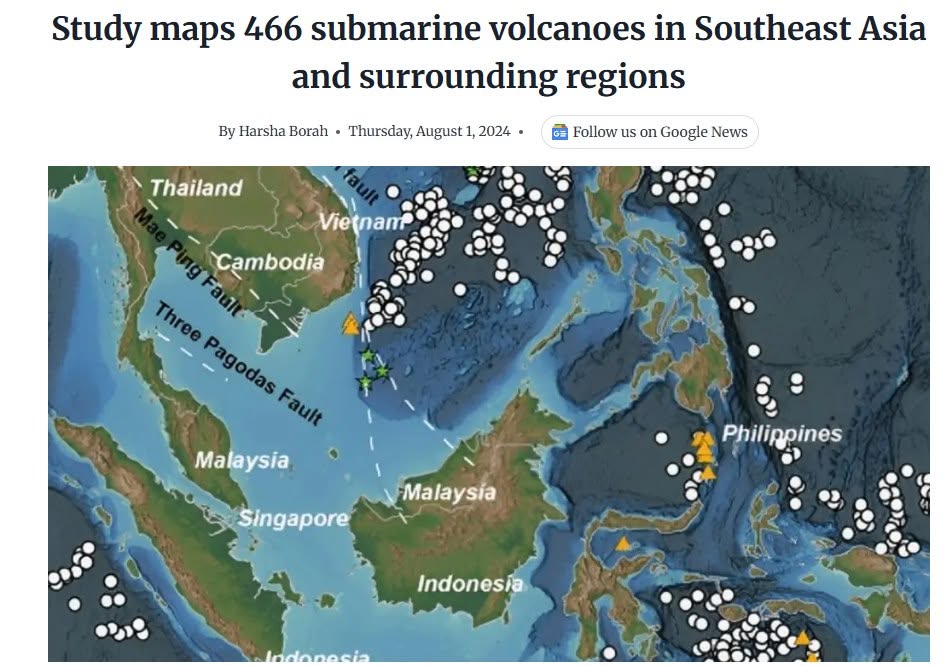
At first glance, they seem to belong to completely different worlds—one from the Ramayana, the other from modern geology. Yet the parallels are fascinating.
A recent WION report highlighted increasing volcanic activity along the Pacific Ring of Fire, noting that over 425 volcanoes have shown activity in the last two years. Scientists continue to monitor the region, warning that heightened activity could trigger a chain of eruptions.
Now compare this with a remarkable passage from the Ramayana. As Sugriva instructs the Vanaras on their search for Sita, he warns Vinata about a mysterious fire beneath the ocean:
“Beware! There lies the blazing, radiant fire beneath the sea, called Vadavanala. Born from the intense anger of Sage Aurasa, it dwells in the depths of the ocean. It feeds upon the mighty waves and, at the end of every Yuga, consumes all living and non-living things. The cries of the creatures of the deep echo through those waters, for even the strongest among them tremble when they feel the heat of the Fire from the Horse’s Mouth.”
The description is striking. A powerful fire hidden beneath the ocean. Terrified marine creatures sensing its heat. A force capable of playing a role in cosmic dissolution.
Of course, the Ramayana is not describing plate tectonics or volcanic belts in scientific terms. But it is remarkable that it preserves the memory of an immense, hidden fire beneath the sea—an image that resonates with what we know today about the Earth’s undersea volcanic systems.
One is astonished that Sugriva—and countless Indian travellers before him—had actually stood before these terrifying landscapes. They had seen the sea aflame, heard the cries of creatures from the depths, returned astonished, and narrated what they had witnessed. Created stories of a demon who spewed fire. A poet like Valmiki immortalized those accounts in the Ramayana, where they continue to intrigue readers even today.


Leave a Reply